Envisioning the future of NEOM
Driving an effective change management strategy for the Urban Planning teams

The challenge
NEOM is a groundbreaking initiative by the Kingdom of Saudi Arabia designed to transform the northwest region into a visionary economic and urban hub for the next 100 years. Spanning over 26,500 km² and led by Crown Prince Mohammed bin Salman, this megaproject will feature a new future along the Red Sea coastline including a floating industrial complex, a global trade center, world-class tourist resorts, and a city entirely powered by renewable energy sources.
This cornerstone of Saudi Arabia’s Vision 2030 initiative aims to diversify the economy beyond oil dependence, creating around 460,000 jobs and boosting national GDP. However, coordinating diverse urban planning teams under an intense delivery schedule poses a challenge for the 2,500 global workers currently driving its design, construction, and operation. To tackle this challenge, Studio Banana was commissioned to lead a strategic analysis and develop a change management program to streamline collaboration among the diverse organizations and teams operating on-site.
The outcome
An effective and comprehensive workframe rethinking the power of collaboration to transform an ordinary space into the land of the future. By identifying the best approach to crafting a compelling vision beyond the physical environment, our intervention cultivates team spirit and elevates experiences, fostering more innovative and efficient ways of working.
Through cutting-edge research, interactive workshops, in-depth interviews, context-building sessions and scenario planning, we integrated diverse perspectives and experiences to craft a bold, forward-thinking strategy. Breaking away from the conventional, we pioneered a conscious transition toward better ways of working, setting a dynamic environment that fully embraces the project’s mission and empowers the Urban Planning teams to bring NEOM’s vision to life.


Discovery: a comprehensive methodology
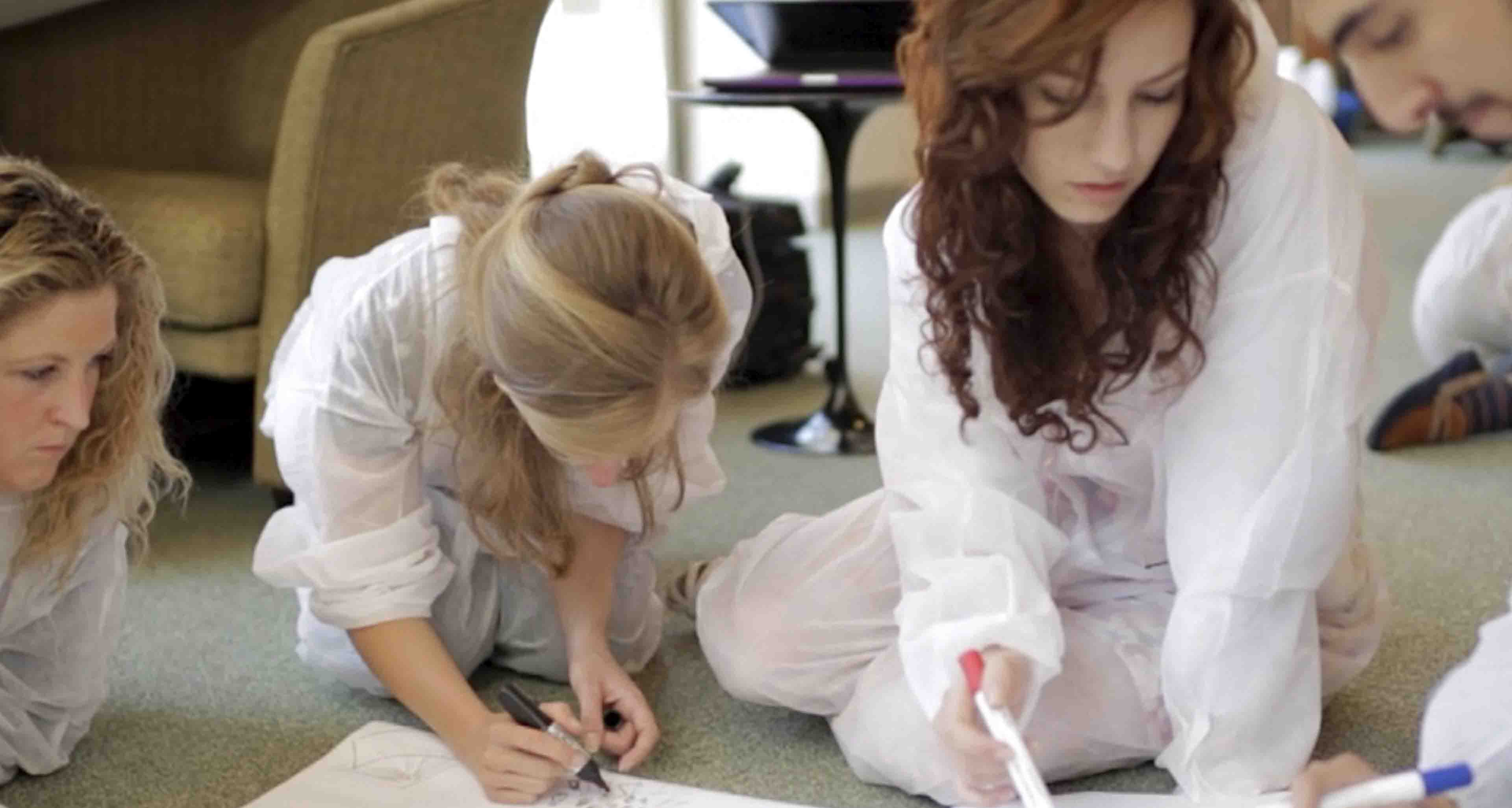
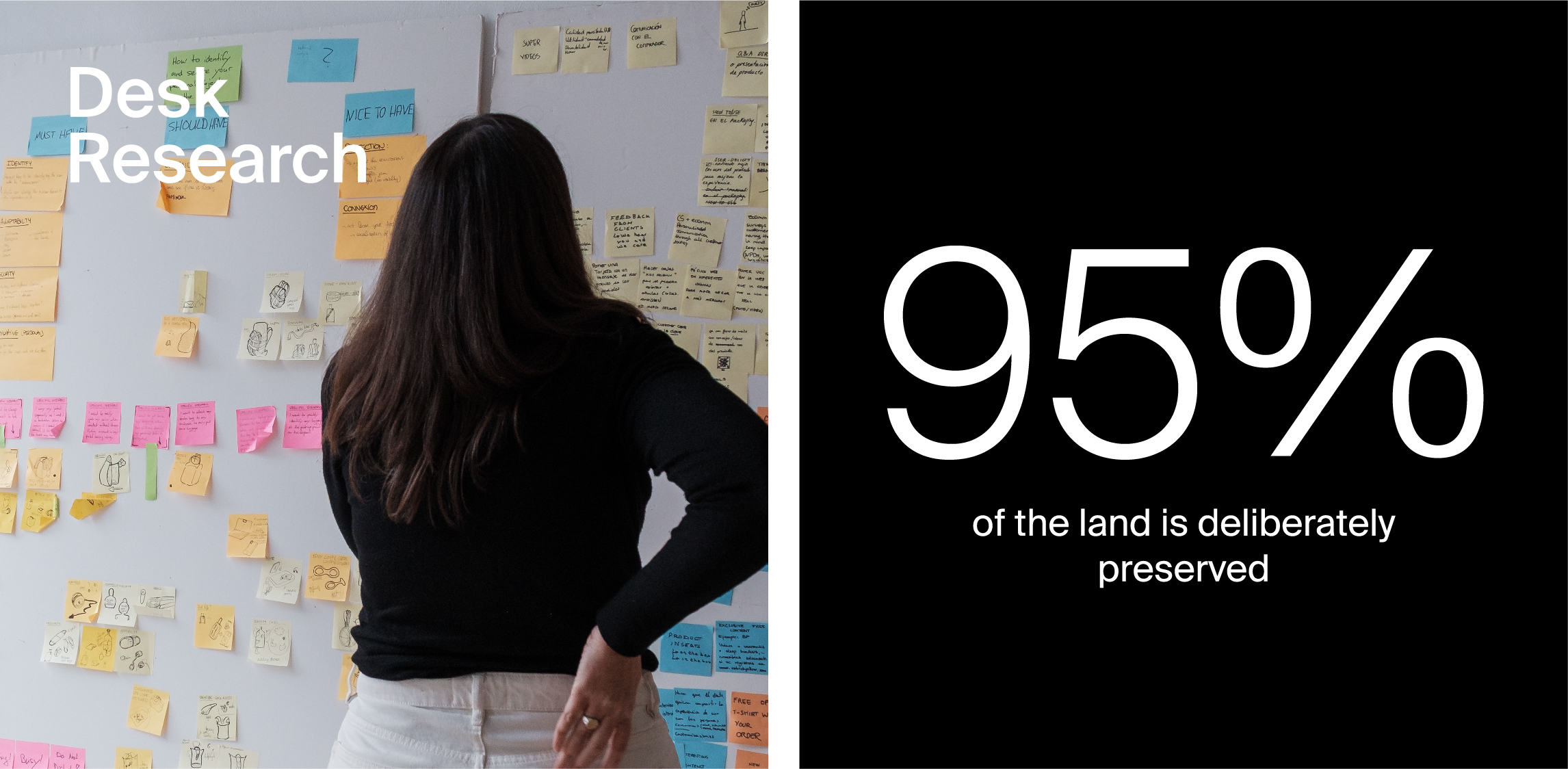
How to create a work and living team environment reflecting the vision and experience offered by the company mission? Alongside the client and the multidisciplinary staff, we carried out a series of workplace innovation engagement sessions to analyse their current experience and challenges.
A detailed methodology process that would eventually allow us to identify the key drivers of shared value within the team and uncover opportunities for enhanced alignment moving forward.
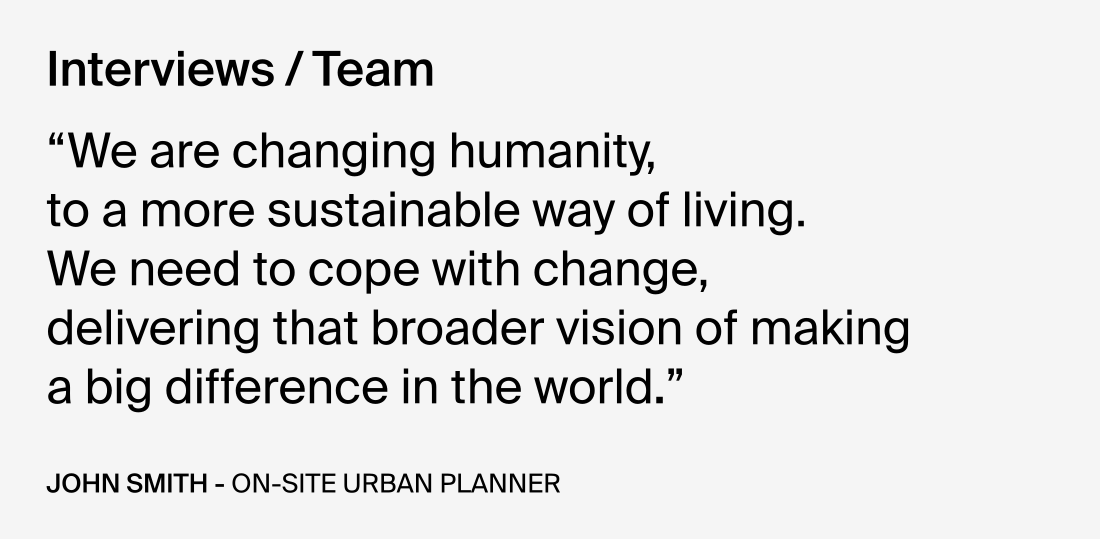
The interviews
Insights from Executive Directors, Directors, and senior team members—along with a range of other valuable sources—were integral in acknowledging current experiences and identifying future opportunities. These reflections not only offered greater clarity and alignment but also became a powerful catalyst for shaping the next phase of our strategy, ensuring it is both inspiring and achievable.
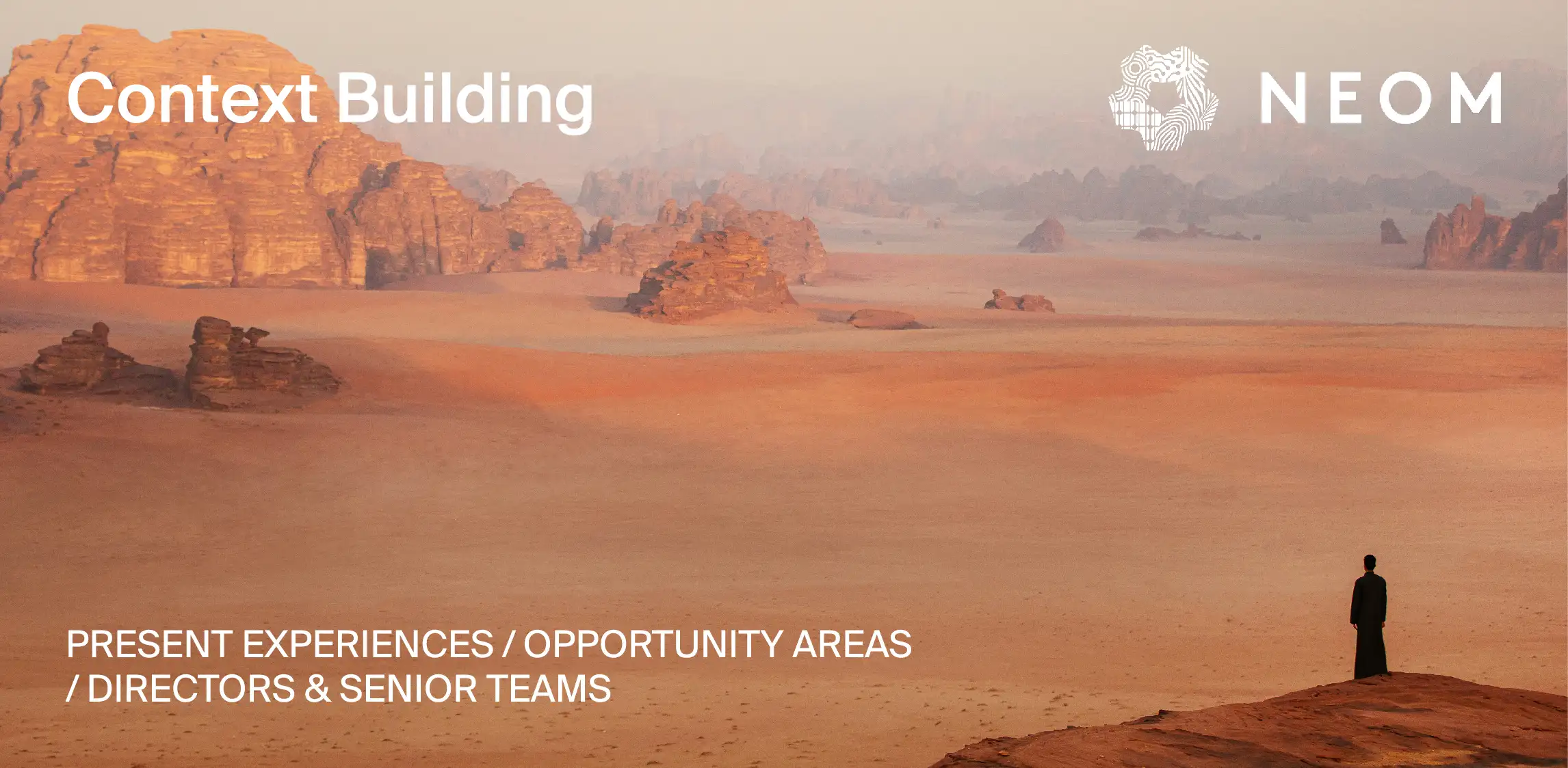
The context building
As part of this phase, we led a series of initiatives to refine the Urban Planning team’s purpose and mission and gain a deep understanding of their work and common culture. Through co-creation activities, we developed a shared narrative while reimagining both the physical and digital environments, bringing the emerging vision to life.
Integrating best practices
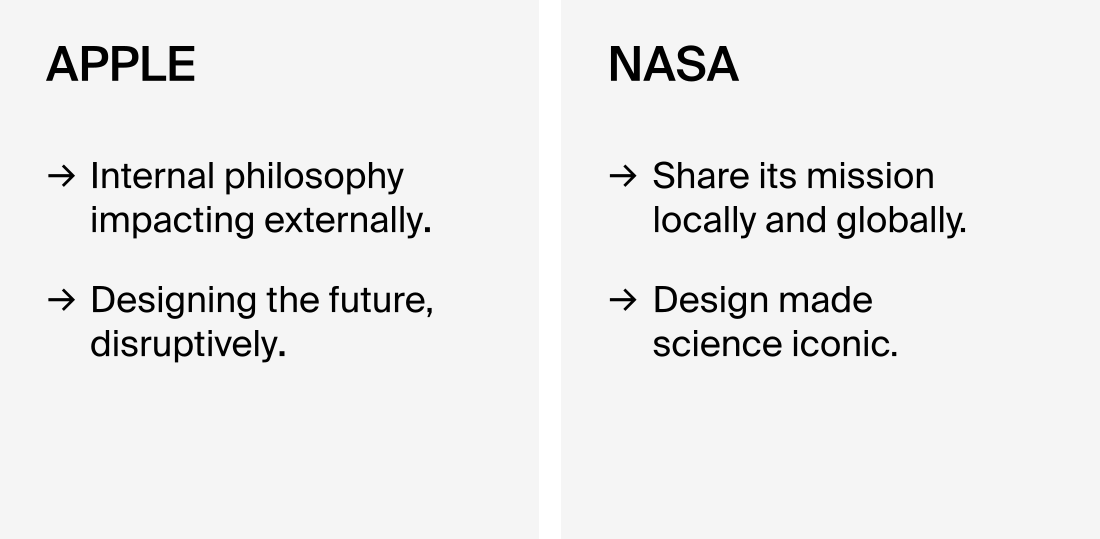
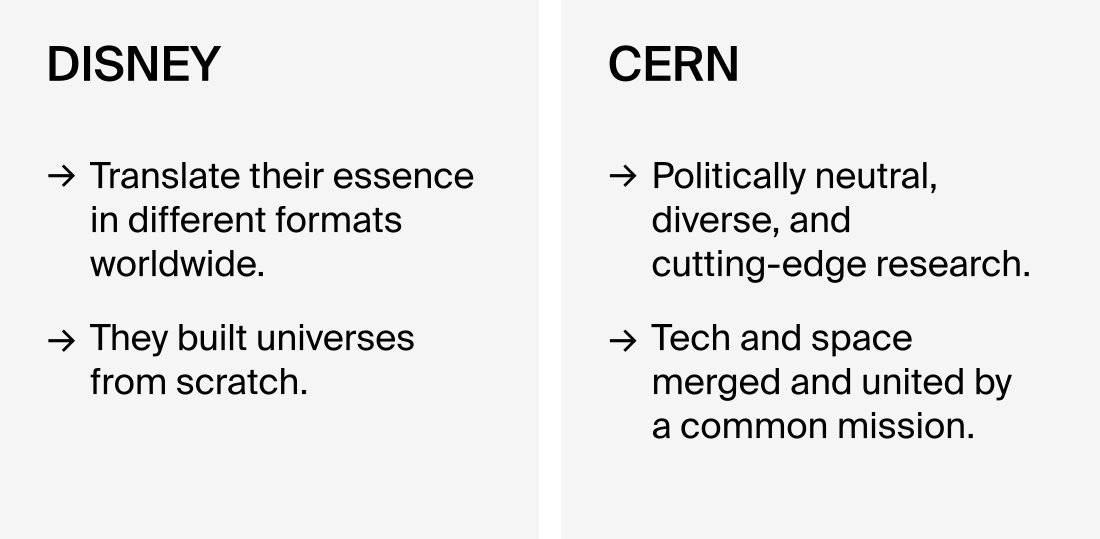
To gain inspiration and insights, we also analyzed various institutions and companies based on two criteria: those operating at a similar level and those facing comparable challenges. This approach provided valuable comparisons and informed our perspective on best practices and successful strategies to capitalize based on:
- The transformative power of design in shaping a visionary future.
- The unique opportunity to realize a mission fueled by national ambition, with far-reaching benefits for the global community.
- The strength of a private and public model that takes a brand’s essence and constructs entire cities & universes from scratch.
Aligning opportunity areas
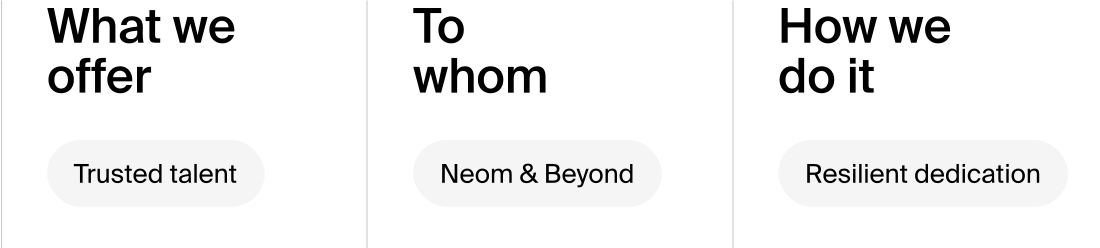
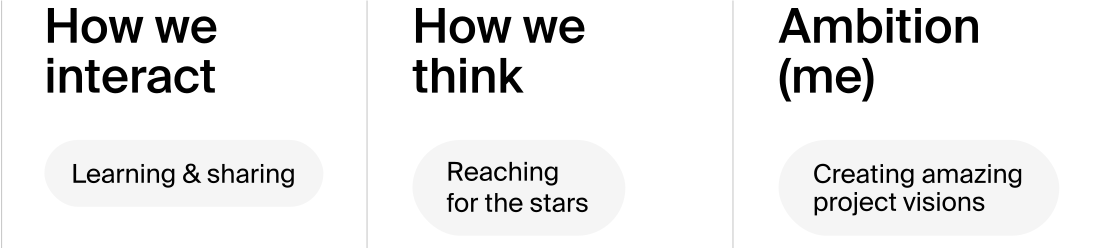
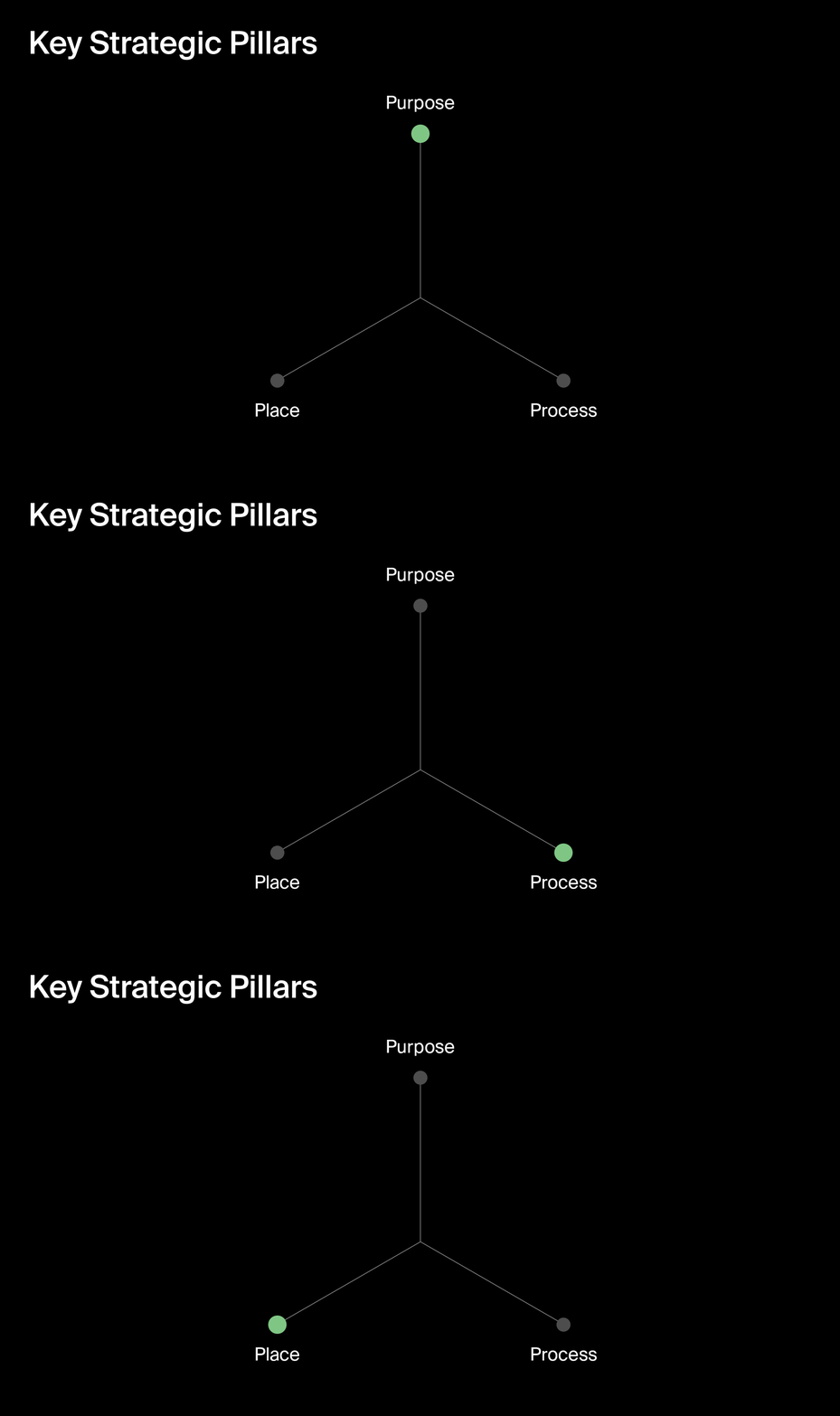
As a result of this process, the Discovery Report established key strategic pillars and principles to guide decisions in the project’s next phases. These were shaped by a combination of needs, best practices, insights, and future foresight, setting a new direction that moves away from the existing framework and embraces a conscious transition towards a shared ambition sustained by a talented team with a resilient dedication and a visionary approach that takes advantage of the power of collaboration and knowledge exchange.

Conclusion
Rethinking how an ordinary space can be transformed into an extraordinary experience for all stakeholders poses a significant challenge. Through our strategic consultancy approach, we have demonstrated that design and architecture must go beyond just technical requirements to also address needs of the humans who are part of its envisioning. Only by doing so can we take an ambitious vision off paper and transform it into a living, thriving reality.