Addressing neuroarchitecture and human-centered design at London’s Clerkenwell Design Week
News | 26 May, 2026
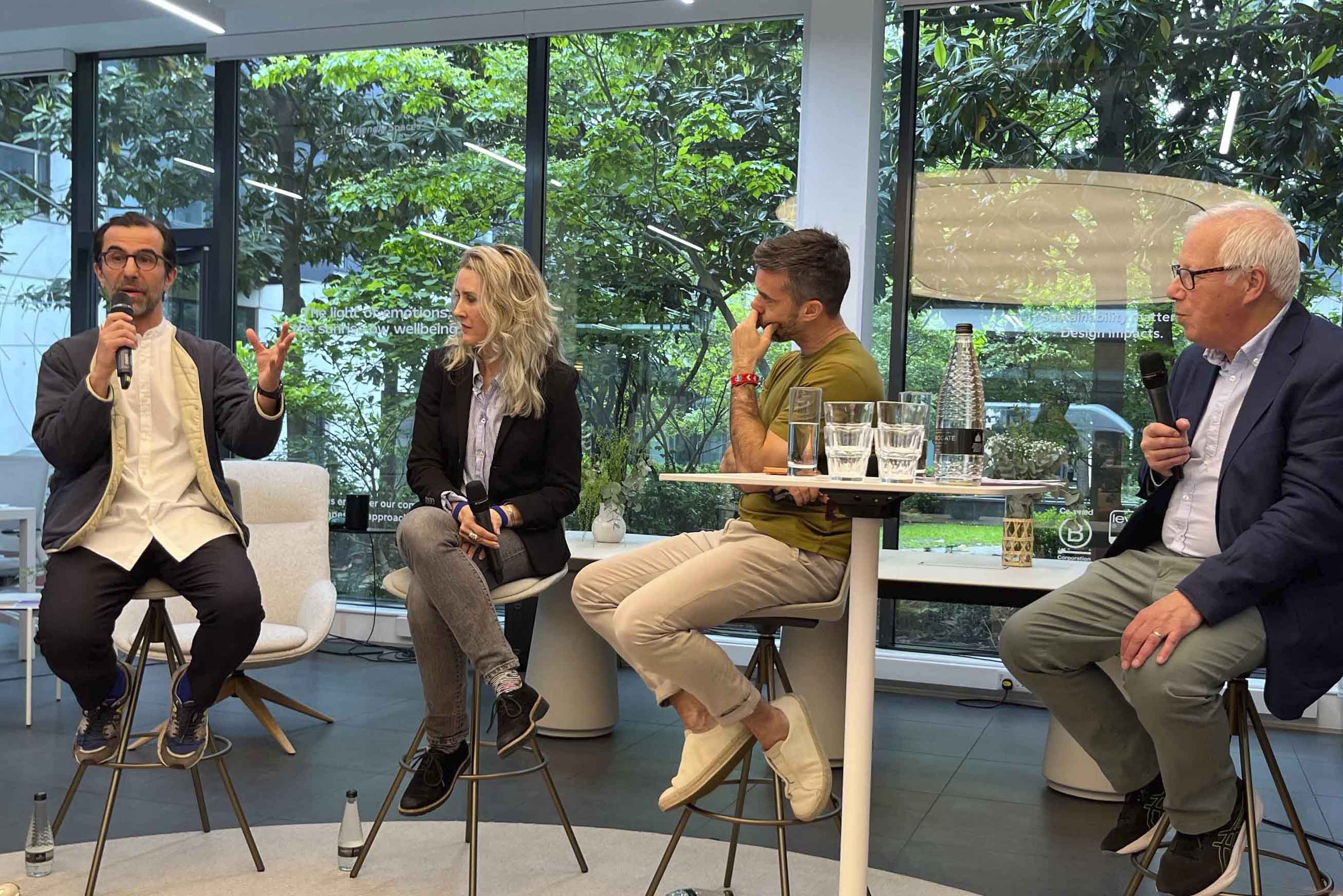
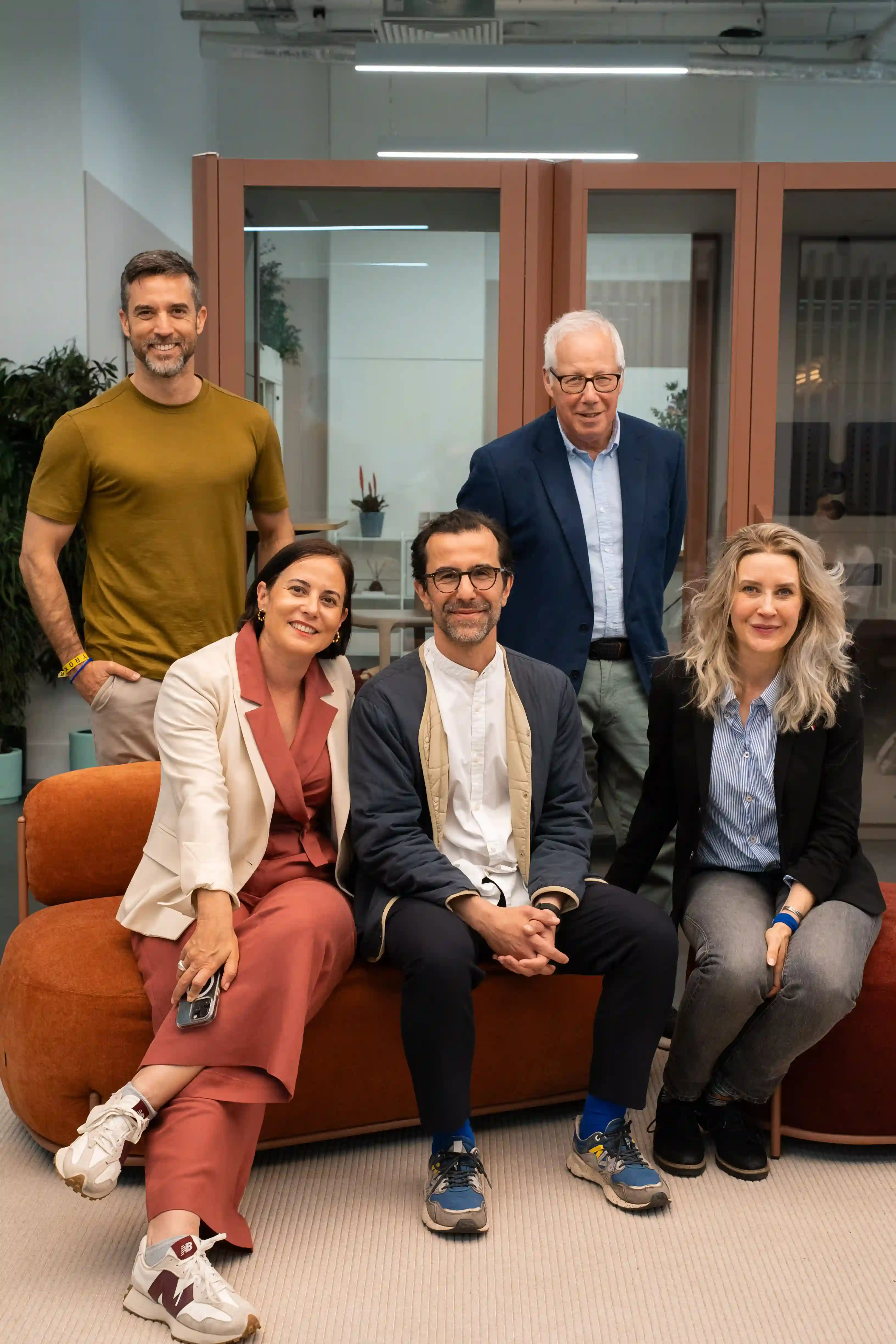
From left to right: Ali Ganjavian, Elizabeth Nelson, Vince Berbegal and Jeremy Mierson at London’s Actiu showroom.
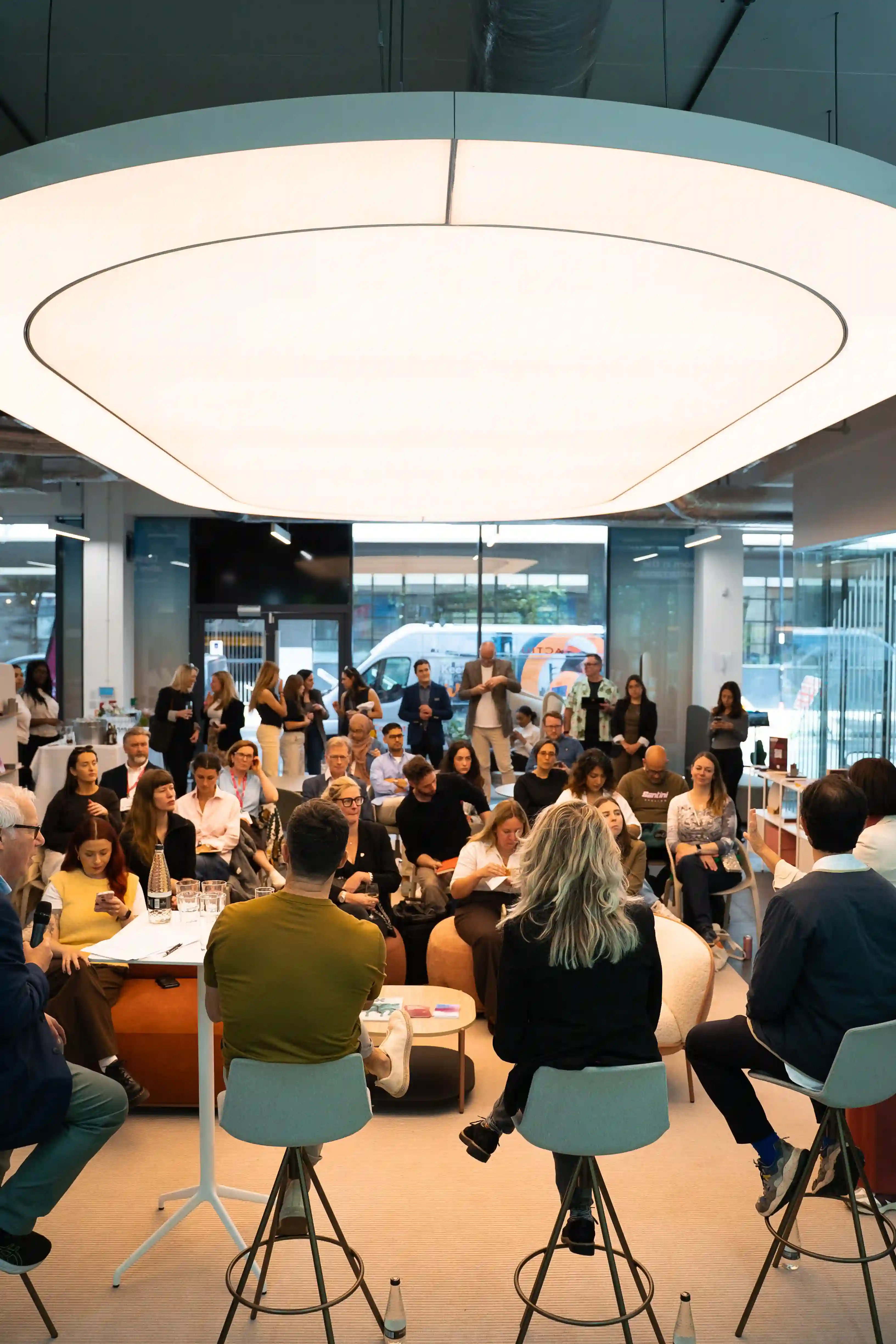
At this year’s Clerkenwell Design Week, Studio Banana joined a thought-provoking conversation hosted by ACTIU to explore how science, design, and industry can come together to shae healthier, more human-centered workplaces.
The panel brought together Studio Banana Co-Founder Ali Ganjavian alongside neuroarchitecture and human-centered spatial design expert Elizabeth C. Nelson, Vince Berbegal, Director of Expansion at ACTIU, and Jeremy Myerson, Chairman of WORKTECH Academy, to explore one of the key challenges shaping the future of workplace design: understanding how the environments we inhabit influence the way we feel, think, connect, and perform.
One of the central ideas that emerged throughout the discussion was the importance of moving beyond standardized workplace models and designing instead for real human diversity — emotionally, cognitively, and socially. As the conversation highlighted, there is no single way of working, concentrating, collaborating, or belonging.
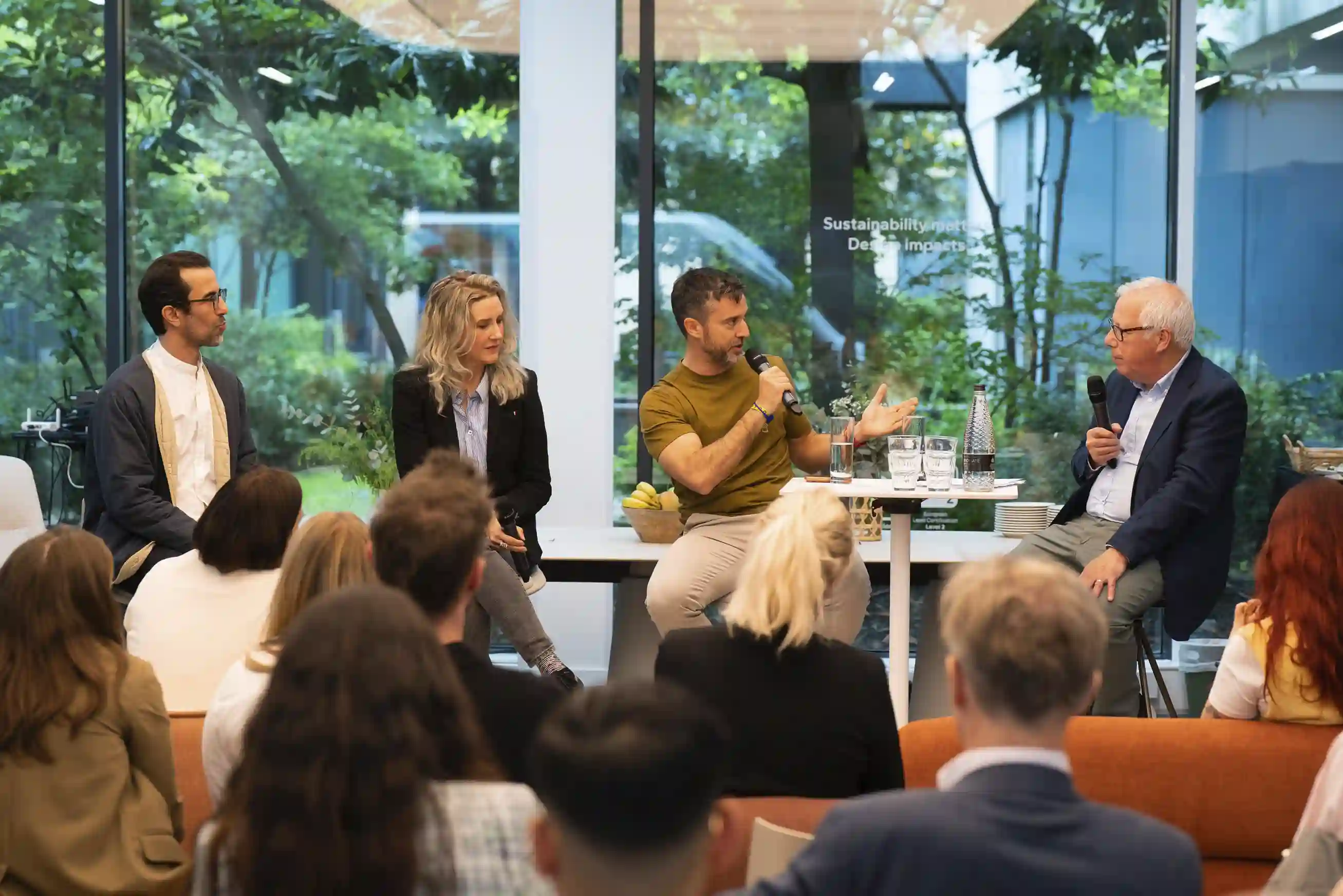
For Studio Banana, workplaces are not passive containers, but adaptive ecosystems that support different rhythms and modes of behavior throughout the day. Spaces should enable people to focus, recover, socialize, collaborate, and evolve naturally, helping shape healthier relationships, stronger cultures, and more meaningful experiences at work.
The session also emphasized the growing role of research and measurable data in spatial design. Rather than using science as a symbolic layer, the conversation focused on how evidence-based design and neuroarchitecture can become practical tools to better understand human behavior and improve everyday quality of life.
The discussion reflected a shared ambition across disciplines: creating workplaces that are not only more efficient, but also more empathetic, inclusive, and deeply human.