
What makes a successful flagship store?
Insights | 9 June, 2026
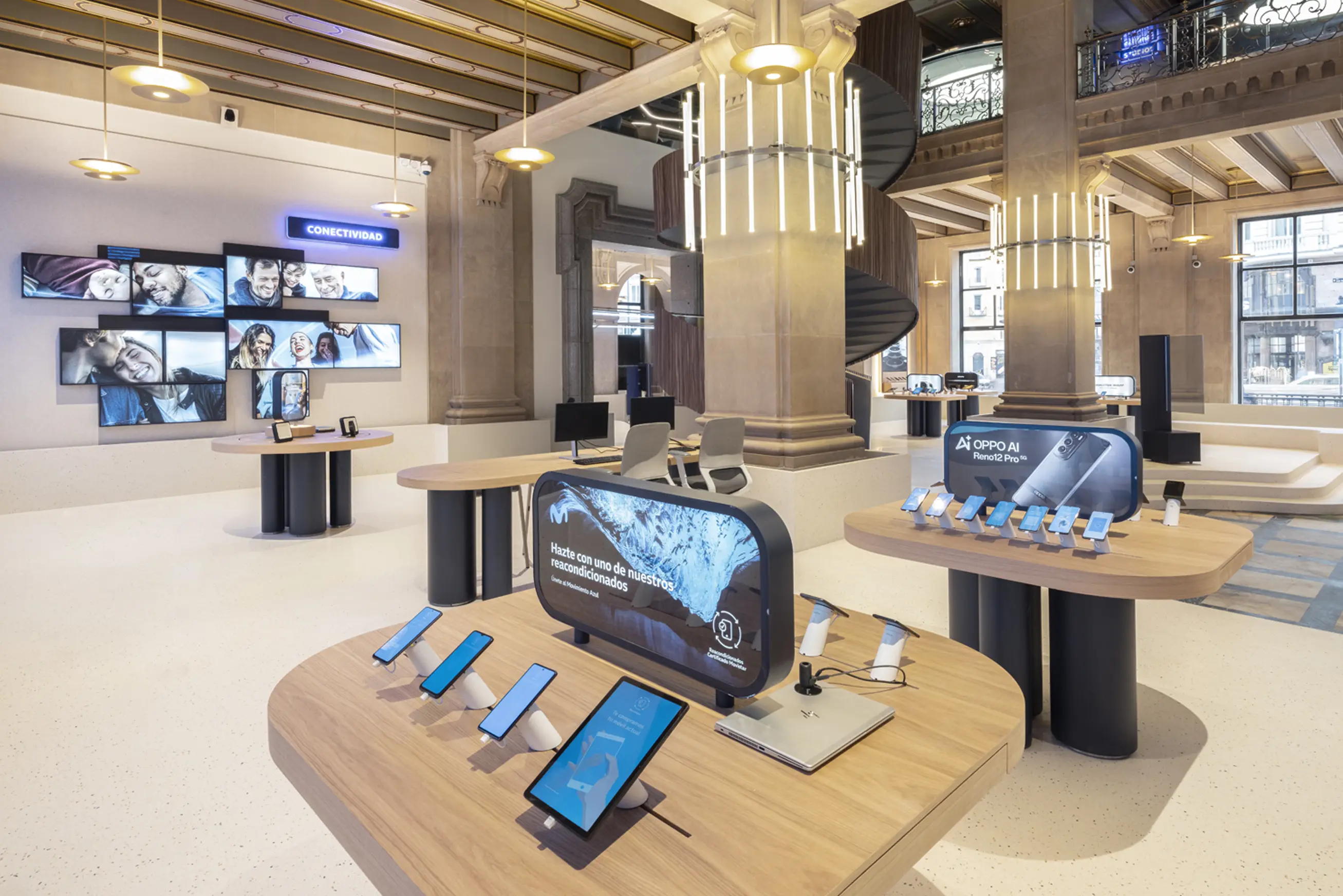
For decades, flagship stores, retail environments, and showrooms were designed primarily to showcase products and reinforce brand prestige. Today, that is no longer enough. As e-commerce increasingly captures transactions, physical spaces must deliver something that cannot be replicated online: human connection.
The most successful flagship stores have evolved to create meaningful interactions between brands and people. In doing so, they become community hubs, immersive brand experiences, and powerful tools for customer engagement.
Drawing from our experience designing retail, workplace, and experiential environments, we have identified a set of key questions that help define what makes a flagship store successful in today’s evolving retail landscape.
1. Why do the best flagship stores feel like destinations?
Today’s consumers are looking for experiences, not transactions. They seek places that spark curiosity, encourage exploration, and create a sense of belonging.
The most successful retail spaces give people a reason to visit beyond shopping. Rather than focusing solely on products, they communicate values, identity, and purpose; creating environments where visitors can engage with the brand in a deeper and more meaningful way.
The most memorable flagship stores are places people choose to visit even when they have no intention of making a purchase.
2. What makes a retail experience memorable?
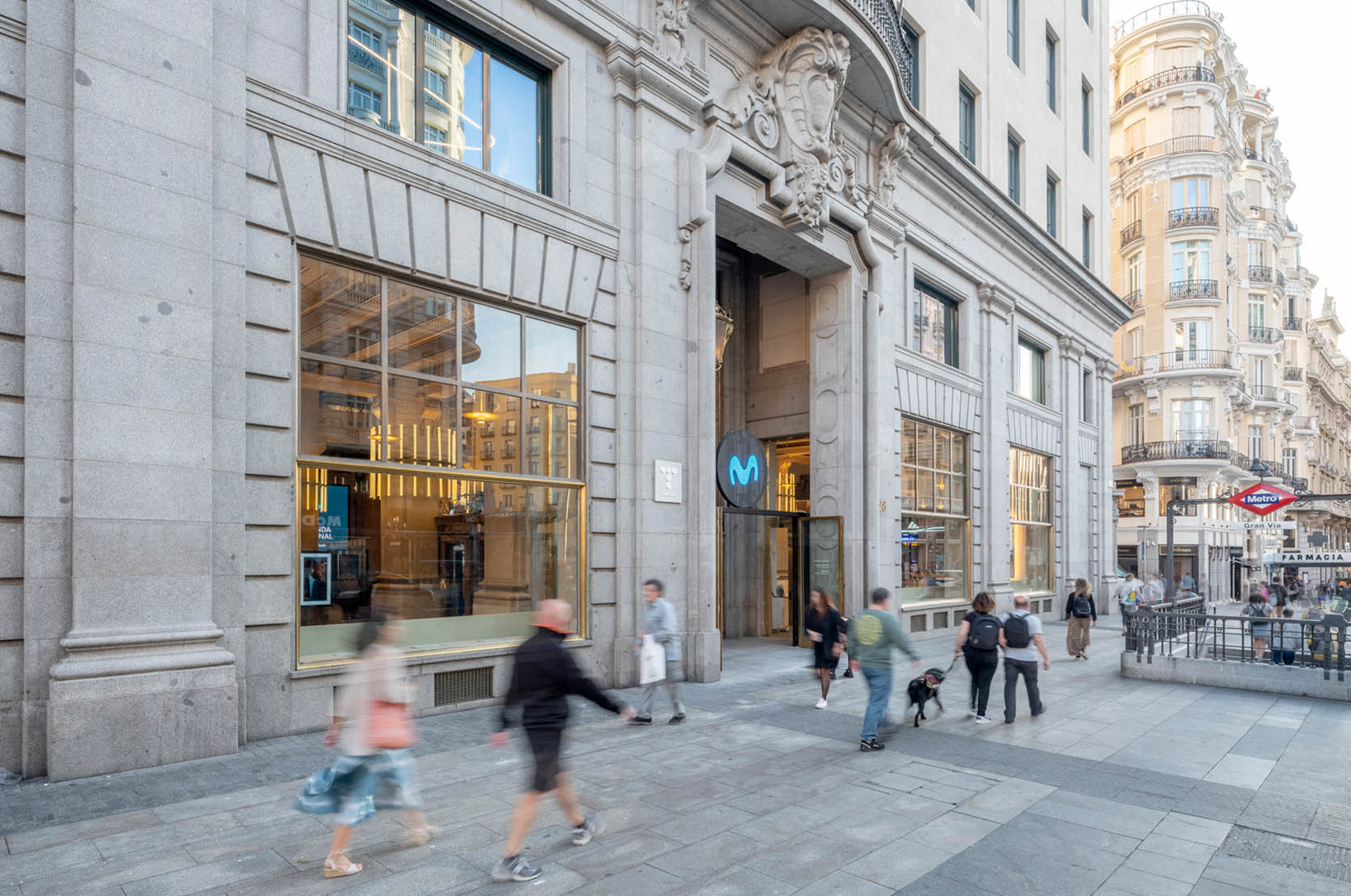
Curated retail experiences create emotional connections between people and brands. Research consistently shows that experiential environments increase dwell time, strengthen brand perception, and encourage repeat visits. Customers rarely remember every product they encountered, but they do remember how a space made them feel.
Successful flagship stores often combine:
✓ Interactive installations
✓ Product demonstrations
✓ Educational content
✓ Live events and programming
✓ Immersive technologies
✓ Spaces for discovery and exploration
The objective is simple: transform visitors from passive consumers into active participants.
3. How can physical stores build community?
One of the biggest challenges facing retailers today is customer loyalty.
The strongest flagship stores address this challenge by creating communities rather than audiences.
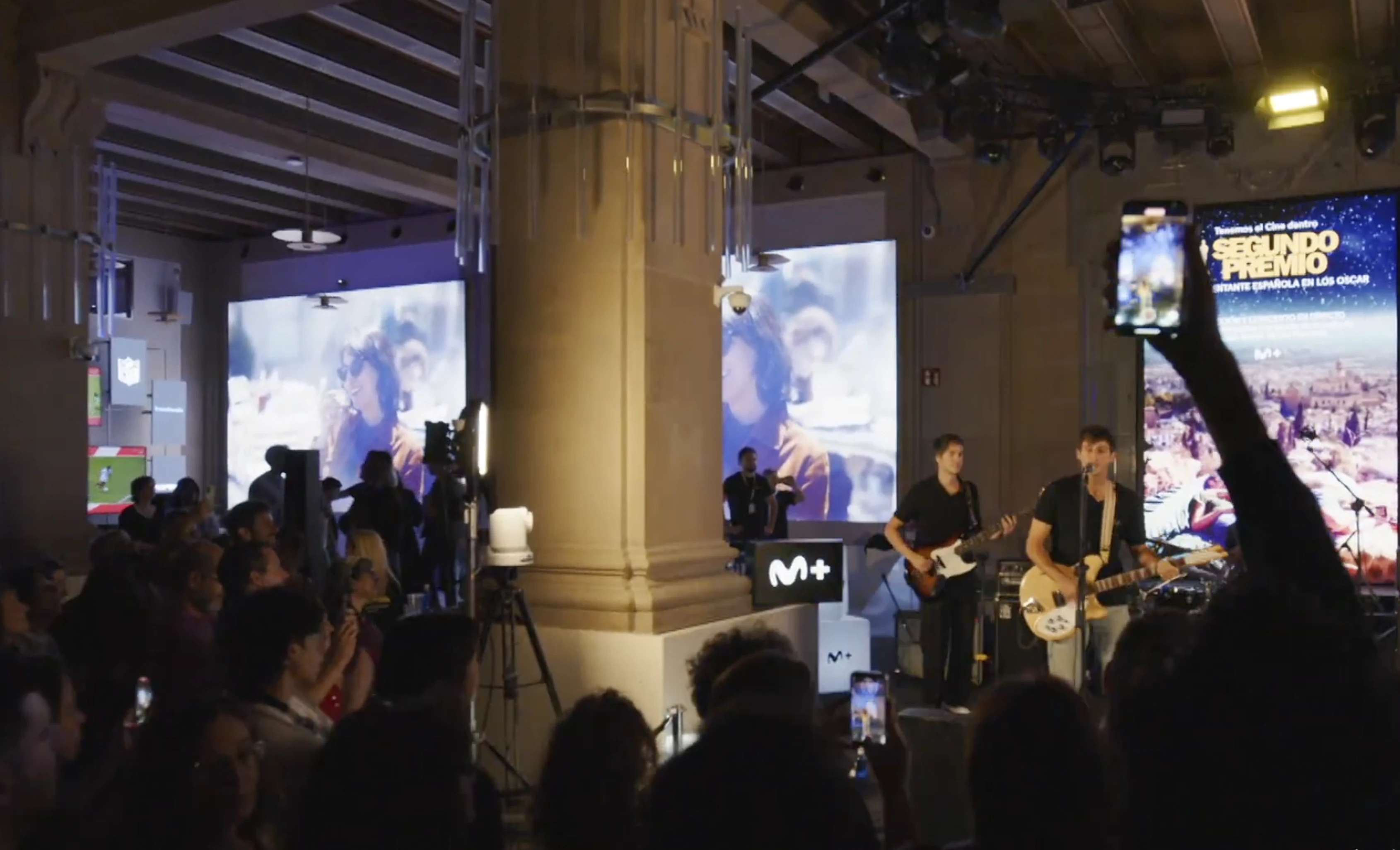
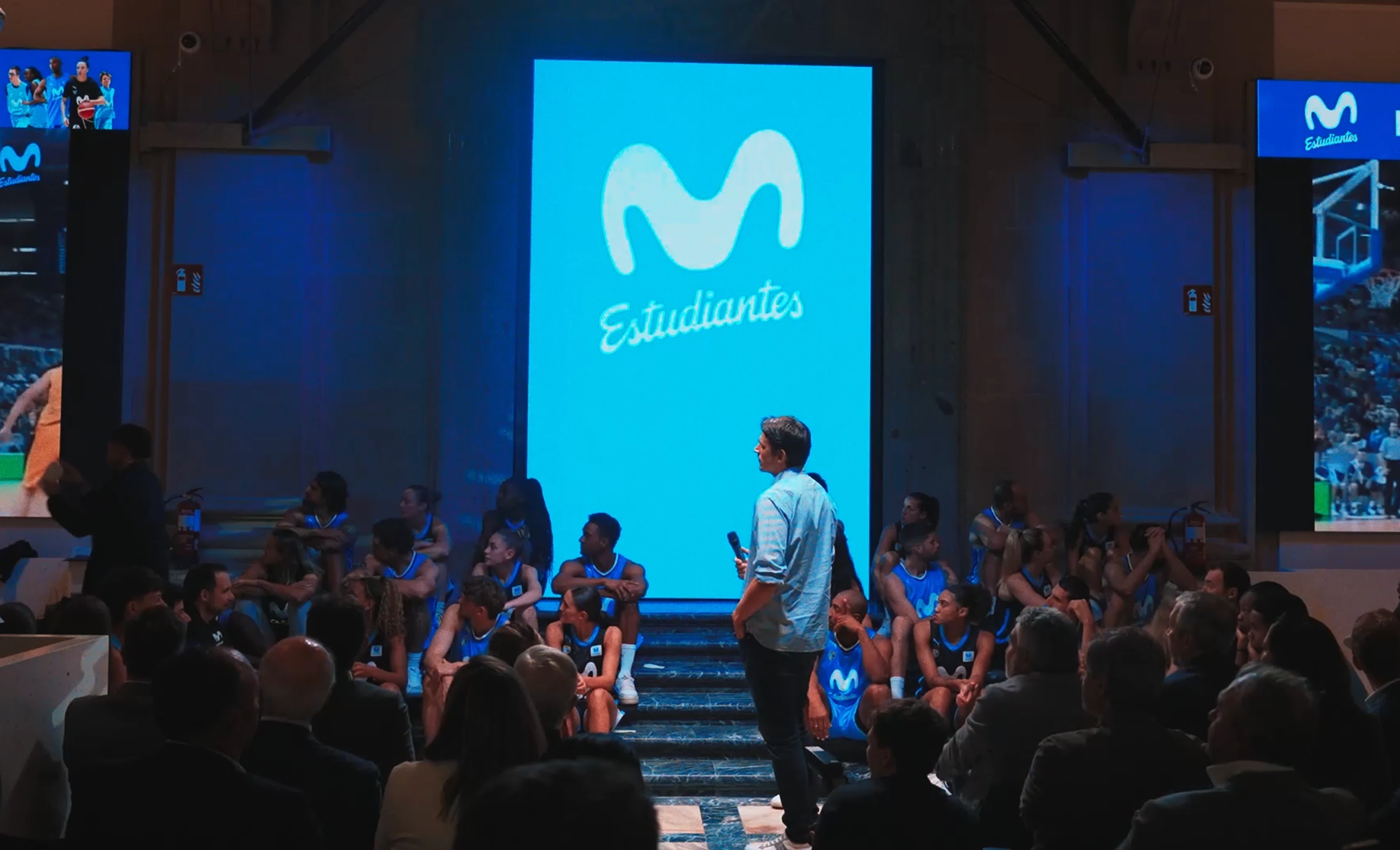
People increasingly seek opportunities to connect; not only with brands, but also with others who share similar interests and values. Successful retail environments facilitate these interactions through spaces and programming designed for participation: regular events, workshop areas and flexible gathering spaces that encourage community activities.
When people associate a physical place with learning, inspiration, or social connection, they are far more likely to return.
4. How should technology be integrated into retail design?
Many brands assume that more technology automatically creates a better customer experience. In reality, the opposite is often true.
The most successful flagship stores use technology to enhance human experiences, not replace them. Technology works best when it is intuitive, useful, and seamlessly integrated into the customer journey.
Effective retail technology should simplify navigation, personalize experiences, facilitate discovery, provide relevant information and support human interaction.
5. Why are flagship stores becoming brand media platforms?
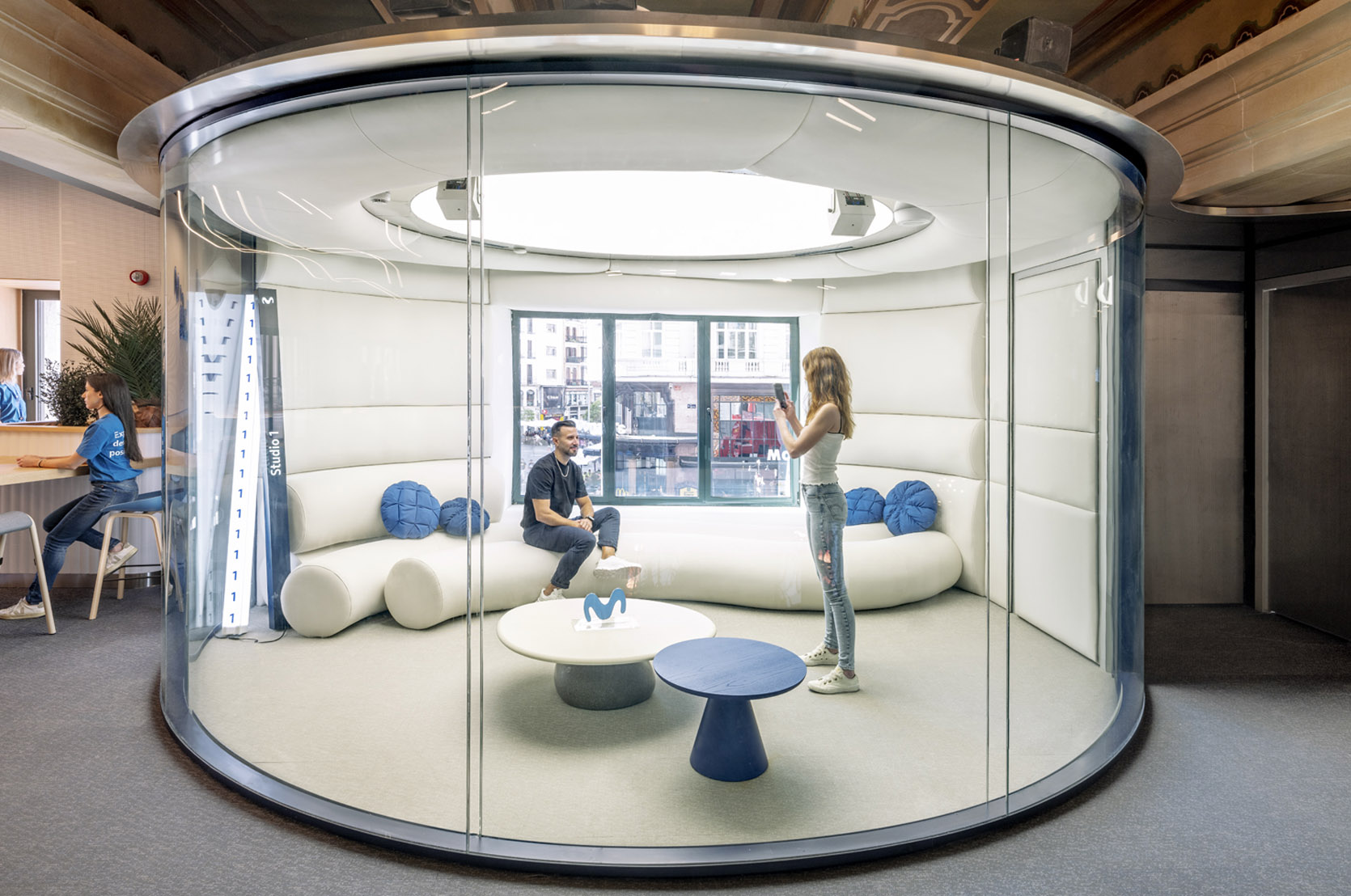
Perhaps the most significant shift in retail today is the transformation of flagship stores into content engines: visitors no longer simply consume products; they generate stories, share experiences, create content, and amplify brand messages through their own networks.
The most successful flagship stores are therefore designed as living media platforms. Through events, cultural programming, immersive experiences, and memorable interactions, they continuously generate new stories that extend far beyond their physical walls. Their success is measured not only by footfall or sales, but by their ability to create engagement, spark conversations, build communities, and remain culturally relevant long after a visit has ended.


The future of flagship store design
The most successful flagship stores are not necessarily the largest, the most expensive, or the most technologically advanced. They are the ones that create meaningful relationships between brands and people.
Before designing a flagship store, every brand should ask:
✓ Does this space communicate our purpose?
✓ Does it offer experiences that people cannot find online?
✓ Does it create memorable moments?
✓ Does it encourage participation and community?
✓ Does it generate content and conversation?
✓ Does it give people a reason to return?
The future of retail is not about creating places people visit once. It is about creating destinations they want to return to again and again.