What is adaptive reuse and how can it create value?
Insights | 10 June, 2026
Adaptive Reuse is the process of transforming existing buildings and infrastructure for new purposes rather than demolishing and rebuilding them. At its best, it is not simply about preservation; it is about unlocking hidden potential. For decades, the real estate industry viewed obsolete structures with suspicion, often as costly liabilities rather than opportunities. The default response was demolition followed by the construction of a new, monofunctional building. But as cities become denser, resources scarcer, and sustainability more urgent, a different question has emerged: what if the greatest untapped opportunities are already built?
Adaptive Reuse allows owners, developers, brands, institutions, and cities to extract new value from existing assets by combining their historical identity with contemporary needs. The result is often a stronger economic, social, and environmental outcome than starting from scratch.
Drawing on our experience applying adaptive reuse across workplace and retail projects, we have identified a set of key questions that help determine whether an existing asset holds the potential to become a high-impact, future-ready place:
1. Why choose adaptive reuse over building new?
Because existing buildings already contain assets that cannot easily be recreated. Location, character, craftsmanship, embodied carbon, cultural relevance, and emotional resonance are increasingly valuable in a world filled with generic developments. While new construction offers a blank canvas, Adaptive Reuse offers something more difficult to manufacture: authenticity.
Buildings with a story create stronger connections with users, visitors, employees, customers, and communities. They stand out in the market and often become destinations rather than simply spaces. The question is no longer whether an old building can be reused. For investors, developers, and cities, the challenge is identifying the latent potential hidden within the built environment.
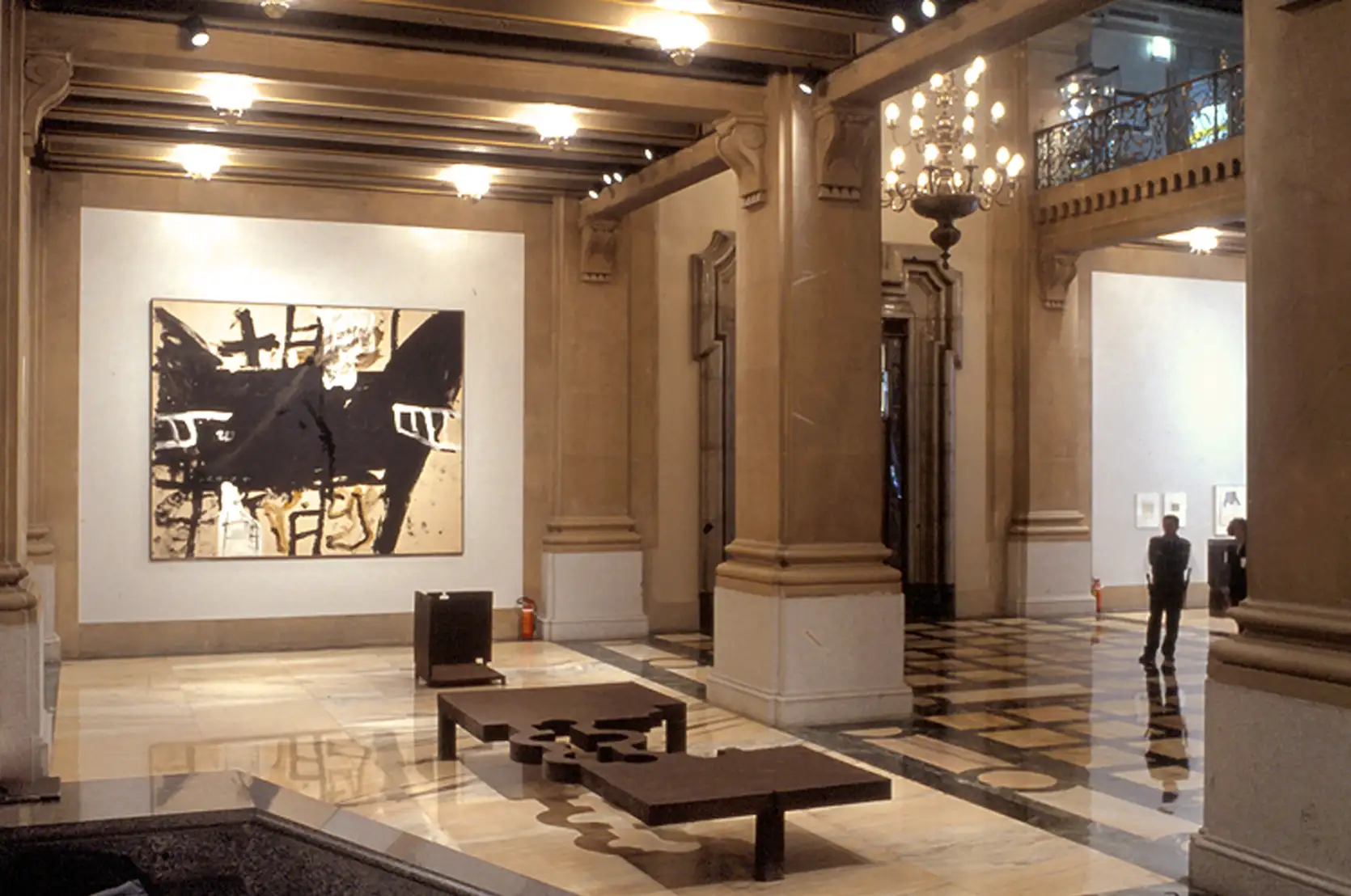
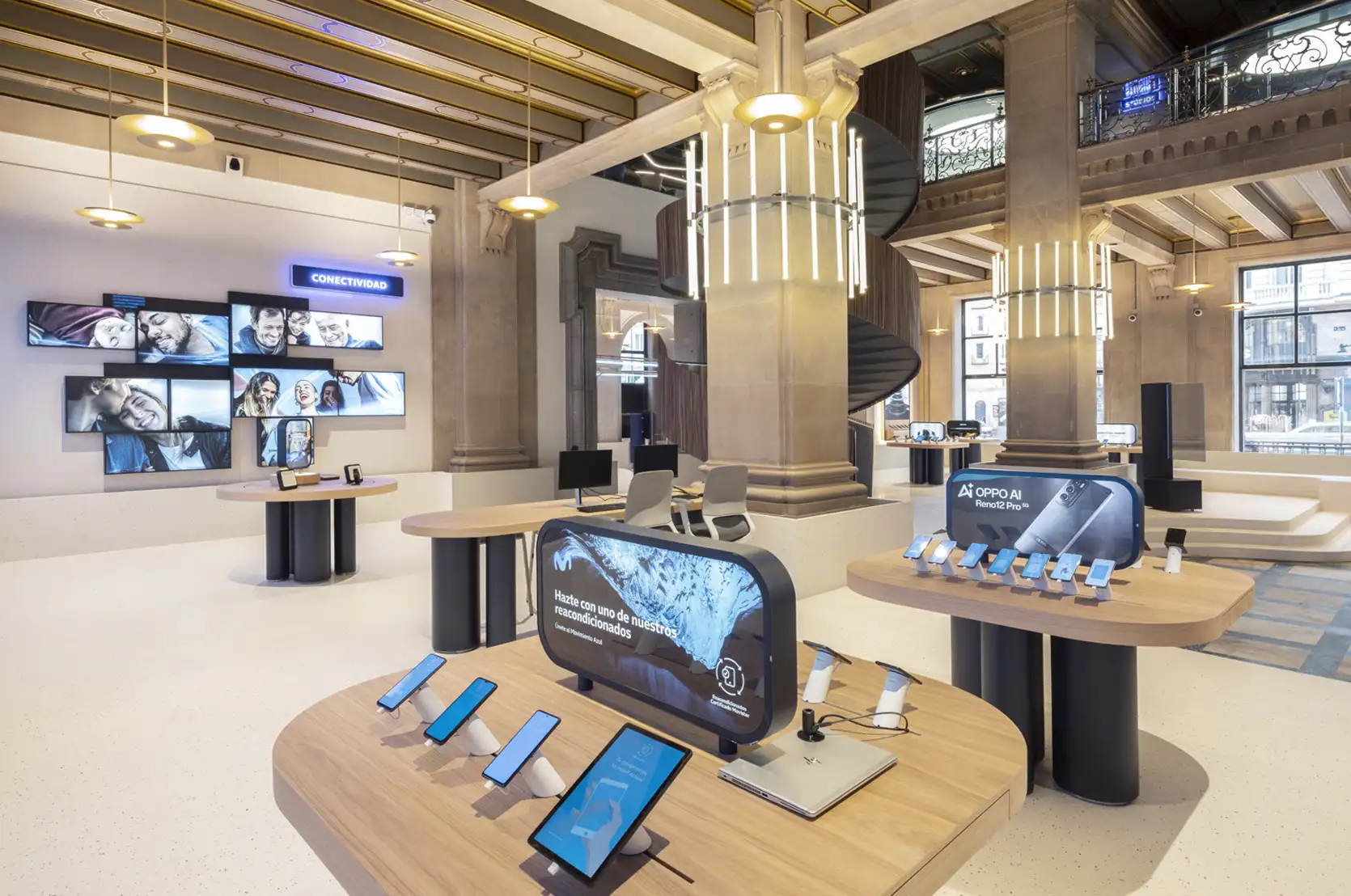
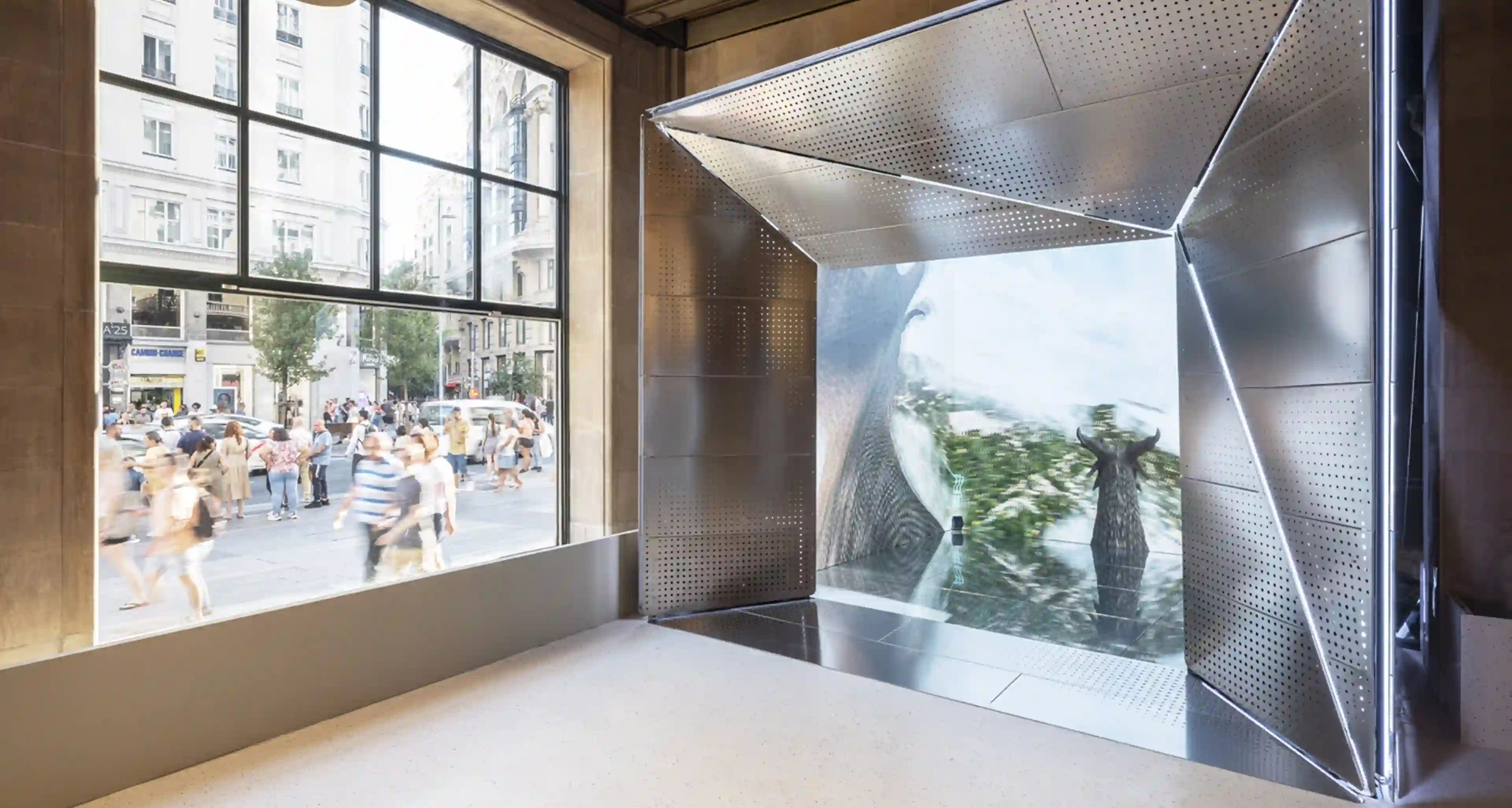
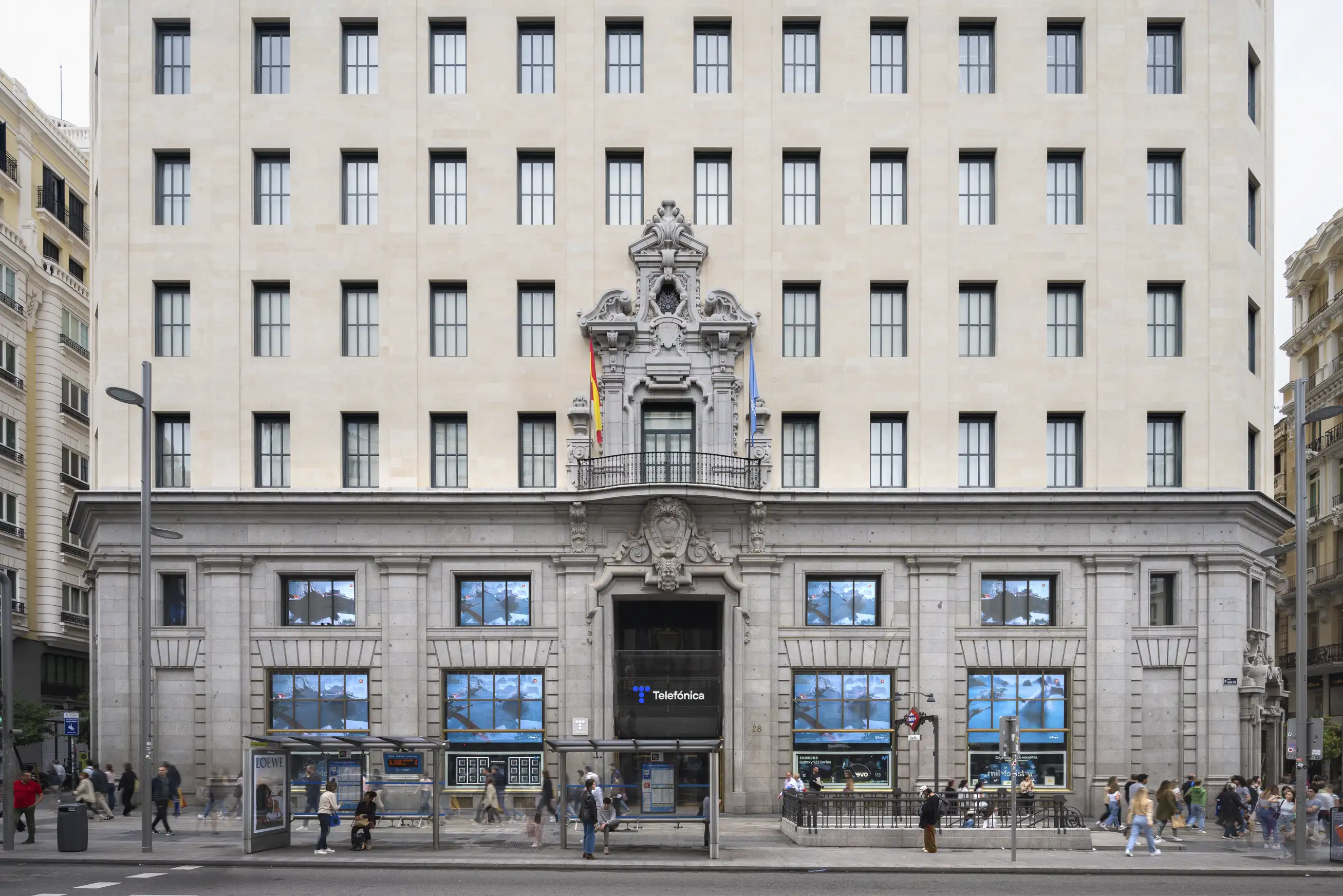
At Telefónica Headquarters we transformed a 100-years-old skyscraper into an immersive retail experience.
2. Isn't adaptive reuse just another form of preservation?
No. It’s not driven by nostalgia, nor by preserving a façade while replacing everything behind it. That approach often reduces heritage to a decorative gesture. True Adaptive Reuse is an exercise in decoding. It requires understanding the environmental, economic, cultural, and human potential embedded within a structure and translating it into a new use. The objective is not to recreate the past, but to make existing assets relevant again.
3. How can adaptive reuse create value for my business or organization?
The answer depends on the opportunity. A historic building can evolve into an immersive retail destination where architecture itself becomes part of the brand story. A former industrial facility can evolve into an innovation hub where the contrast between old and new stimulates creativity and collaboration. An obsolete office building can be transformed into a mixed-use ecosystem that combines work, culture, hospitality, education, and community.
Adaptive Reuse challenges the idea of fixed typologies. Each existing asset can be understood as a platform for transformation, where different factors are combined to reveal opportunities often overlooked by conventional real estate analysis. Rather than being defined by uniformity, adapted buildings are shaped by layers of change over time. These conditions introduce specificity and differentiation, which can translate into measurable advantages such as stronger brand positioning, increased engagement, and higher user value.

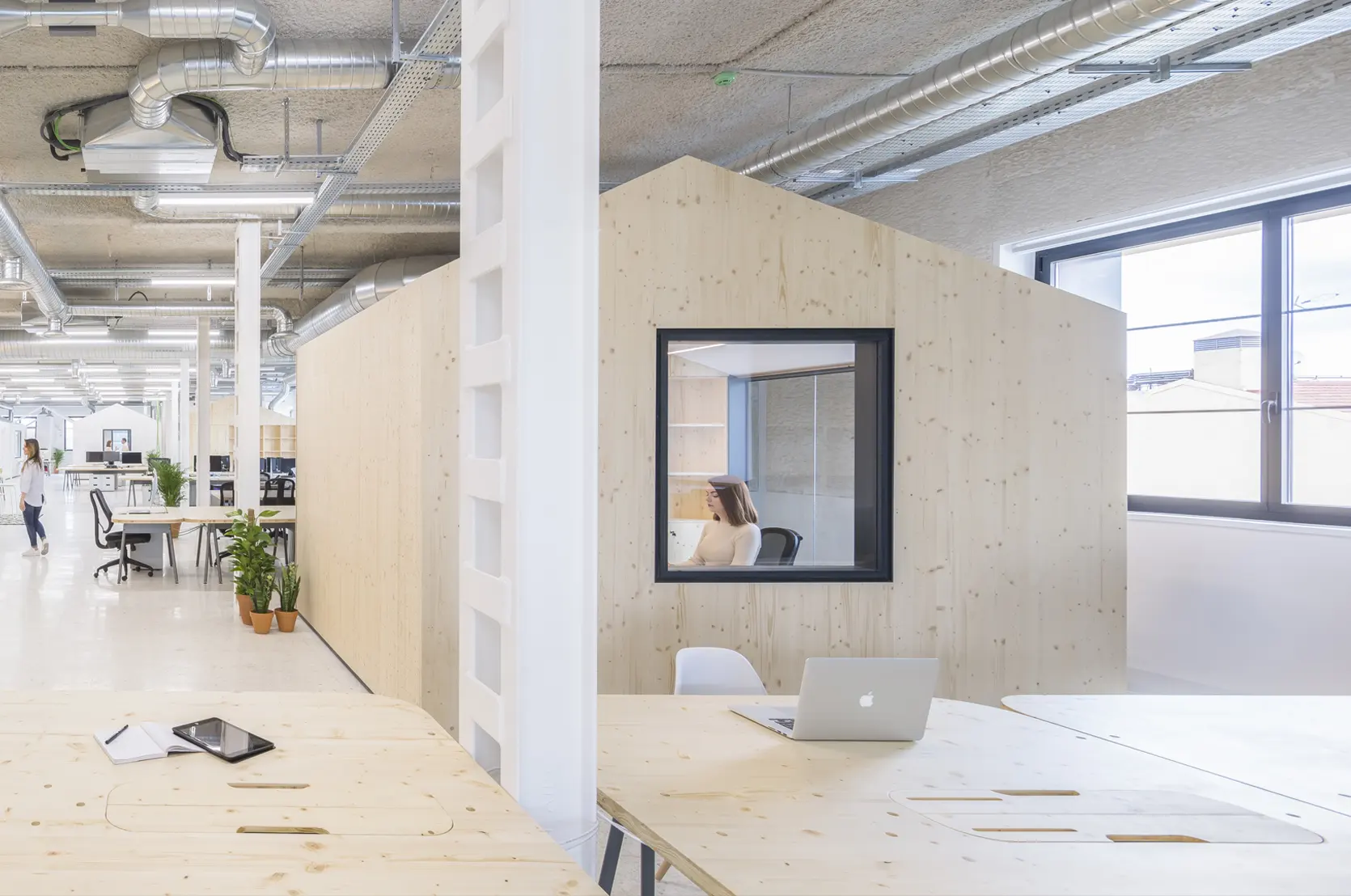
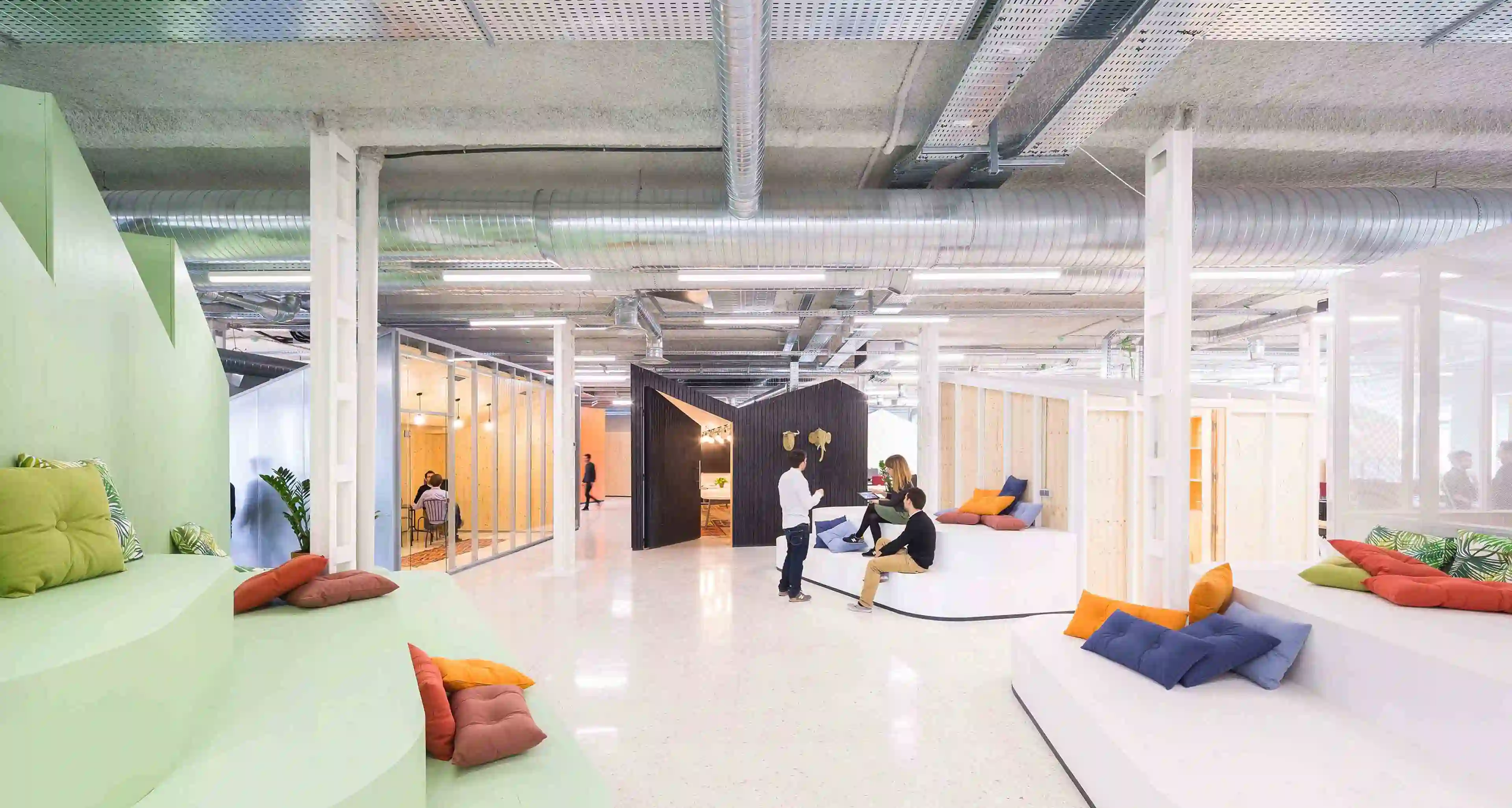
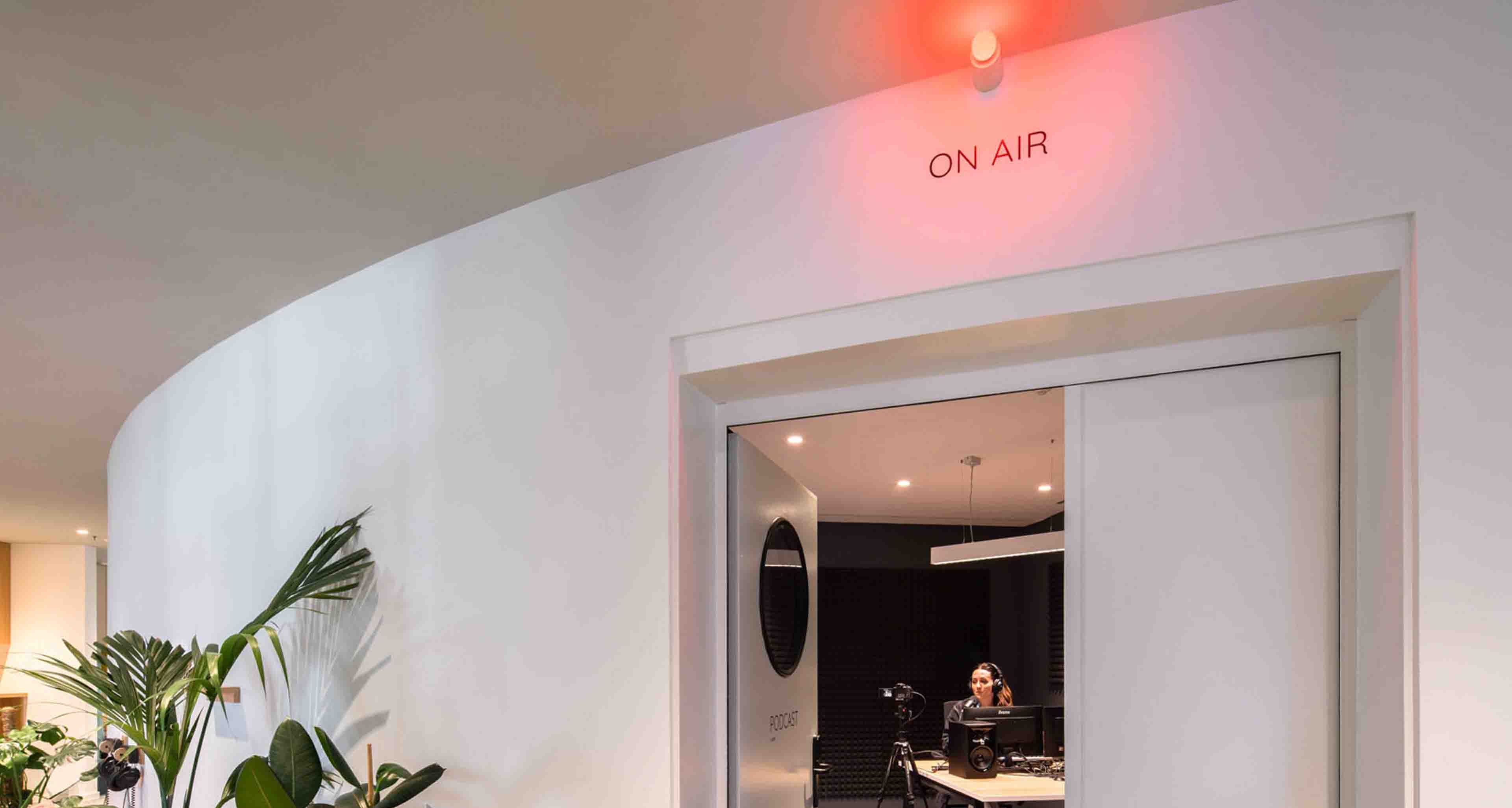
For McCann Headquarters in Madrid we transformed a rundown warehouse into a warm, contemporary hub for creative collaboration.
4. What does the future of Adaptive Reuse look like?
The next generation of Adaptive Reuse will move beyond individual buildings and focus on entire urban ecosystems. The opportunity is not limited to factories, warehouses, or heritage landmarks. Silos, bunkers, shopping centers, office buildings, transportation infrastructure, and civic assets can all become catalysts for regeneration when viewed through a broader lens. This requires more than architectural expertise. It demands the integration of environmental data, economic analysis, behavioral research, and cultural understanding.
Adaptive Reuse is not an exercise in preservation. It is an exercise in evolution. By introducing new uses, experiences, and forms of value into existing structures, it extends the relevance of an asset while strengthening its economic, social, and environmental performance. The future belongs not to those who build the most, but to those who can recognize and unlock the potential of what already exists.